Acquired: Dell Precision 220
Dude, it's a beige Dell
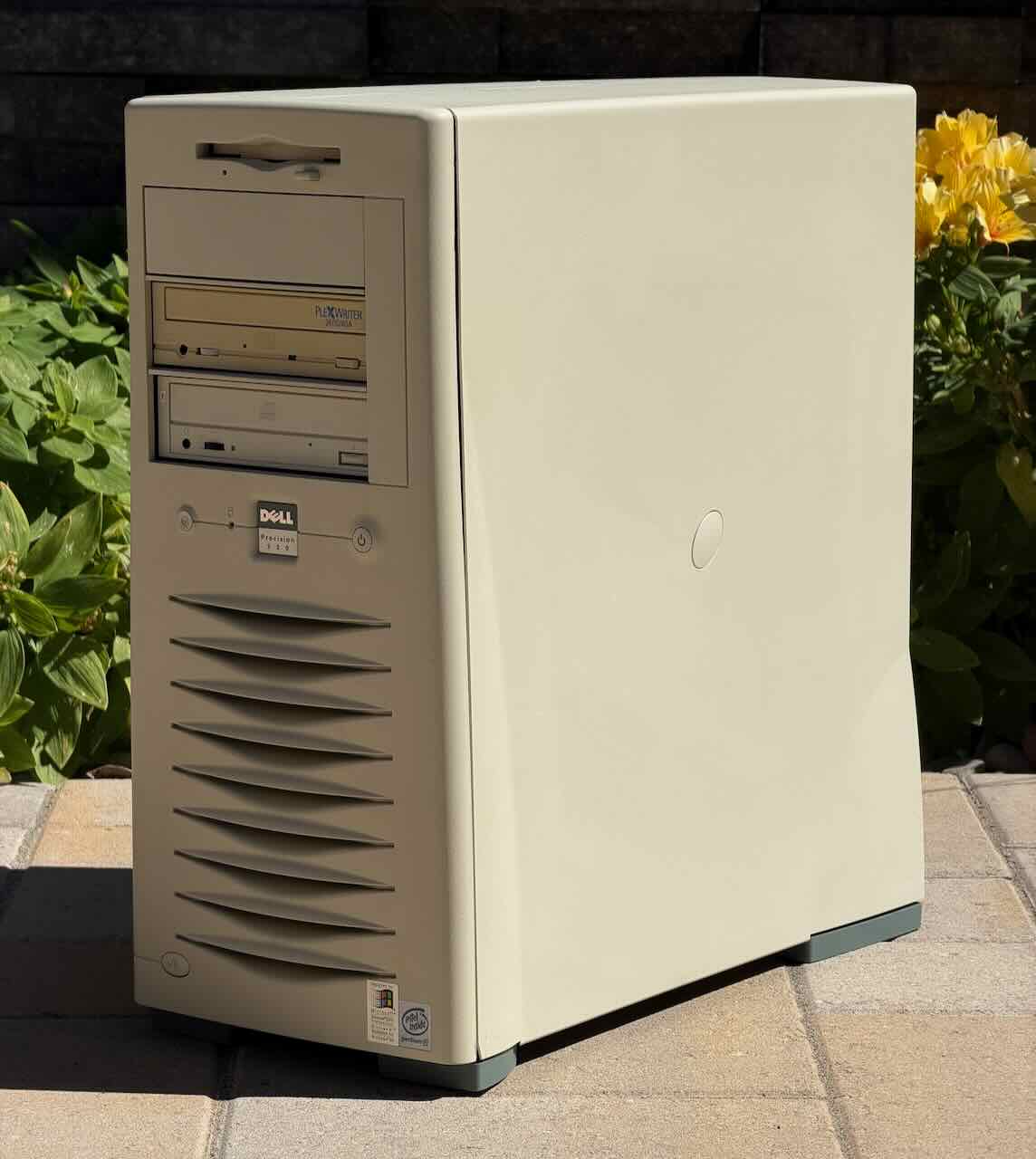
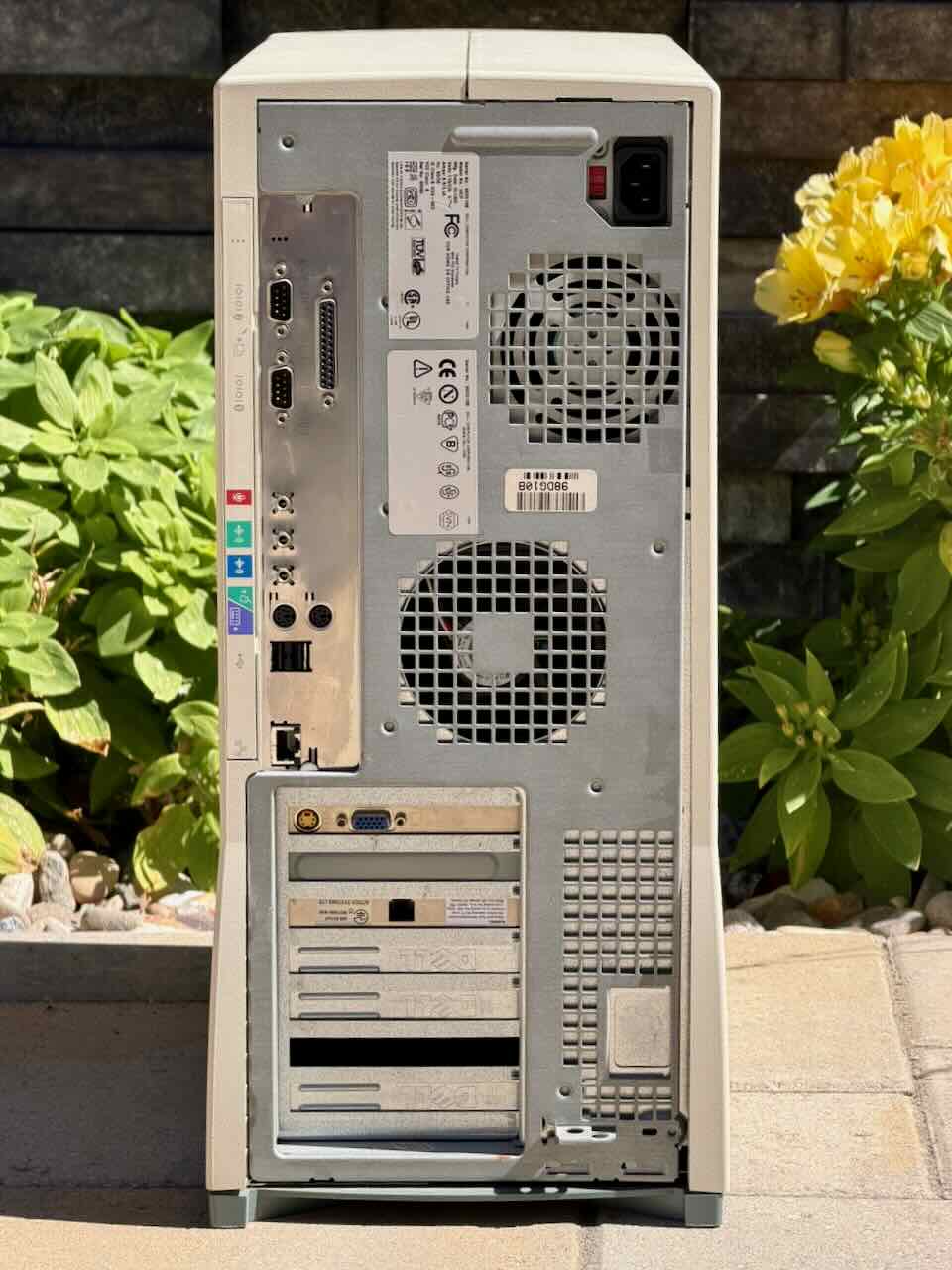
For a long time, I’ve kept a Dell Dimension XPS D266 around that’s been barely hanging on. When I received it from the previous owner, the power button was taped on with duct tape, chunks of plastic were falling off the beige case, and the CD drive barely worked. After some years, it’s gotten no better and it was time to seek out a replacement that was a little more stable (and hey, while we’re at it, why not go wild?).
By the time the late 1990s rolled around, workstation vendors could see where the market was going. SGI was starting to move to using Intel chips for their Fuel workstations, HP was heads-down on Itanium/VLIW that would ultimately flop, and Sun was increasingly pushing their server offerings.
Thanks to the efforts of Intergraph and other early adopters of x86 as a professional workstation platform, Dell started to produce higher end models that were focused on the power user market with their Precision line of workstations. The first models, the 210 and 410, featured dual processors and were based on the famous Intel 440 chipset.

The Precision 220 is a bit of a different beast and uses the Intel 820 chipset which is infamous for its use of RDRAM (good information on the shortcomings here). Undeterred by RDRAM and thinking it an interesting option for its ability to accomodate 2 slot 1 processors, I picked one up at a good price.
The 220 as purchased came with 1 600 Mhz PIII, 256 MB of RDRAM, and an NVIDIA Geforce MX440. Also included was a Dell Adaptec SCSI card, which I had no appetite for and promptly ripped out after recent and exhausting SCSI adventures. We’ll be sticking to the onboard IDE, at least for now.
Dell always builds to a price, and this machine is no exception. Of course, this is also true of other late 90’s designs in the collection such as the Sun Ultra 80, which uses copious amounts of plastic as well. In either case, it is clear these machines are becoming increasingly brittle with time.
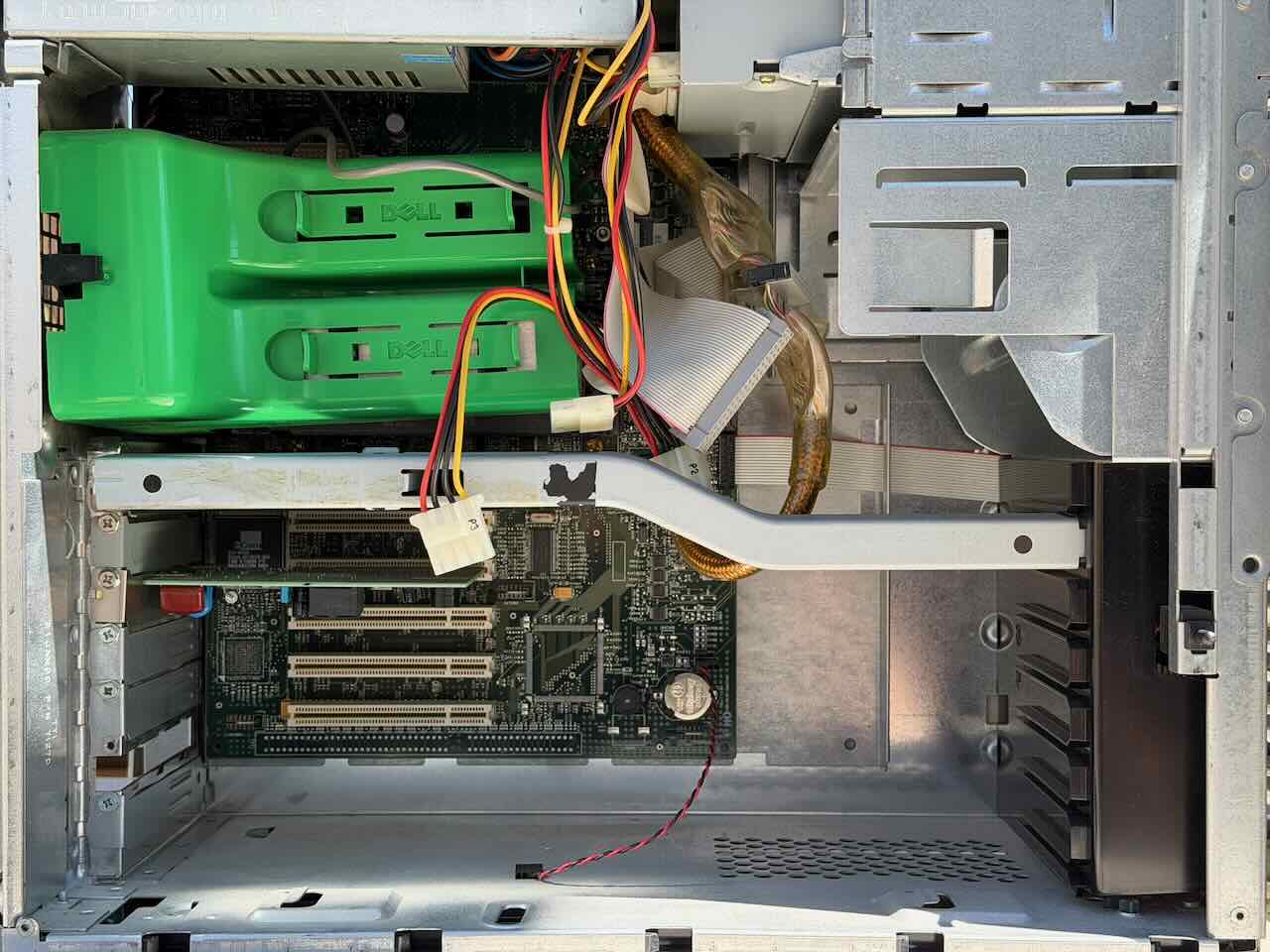
Overall, the machine runs quite well and is extremely snappy on Windows 2000 Professional. Per the COA stickers on the side, it was originally shipped with NT 4.0 which we can imagine would have run reasonably quick on something that had 4-8x the recommended requirements of that operating system.
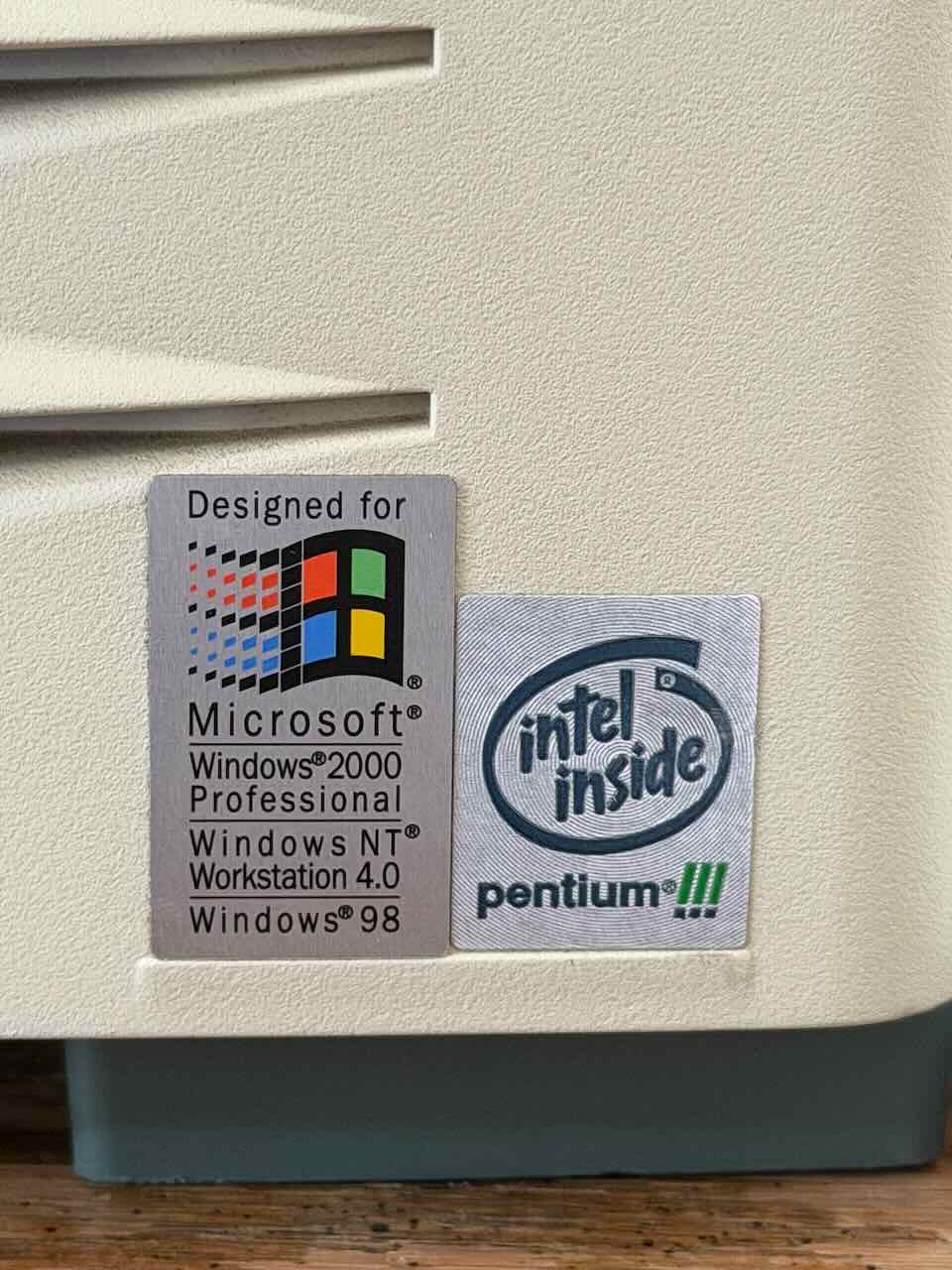
Unlike most of the other workstations in my collection, this one can be used for less-serious pursuits as well. The Geforce MX440 is more than sufficient to play popular titles around this era (Half Life, Age of Empires II, Roller Coaster Tycoon, etc).
Upgrades to Dual 866Mhz PIIIs and 1GB of RDRAM (the maximum allowed) are in the mail. While the machine can accomodate up to 1GHz Coppermine PIIIs, Like Dell I too am building to a price.