The Mystery of the HP Loveland Architectural Render
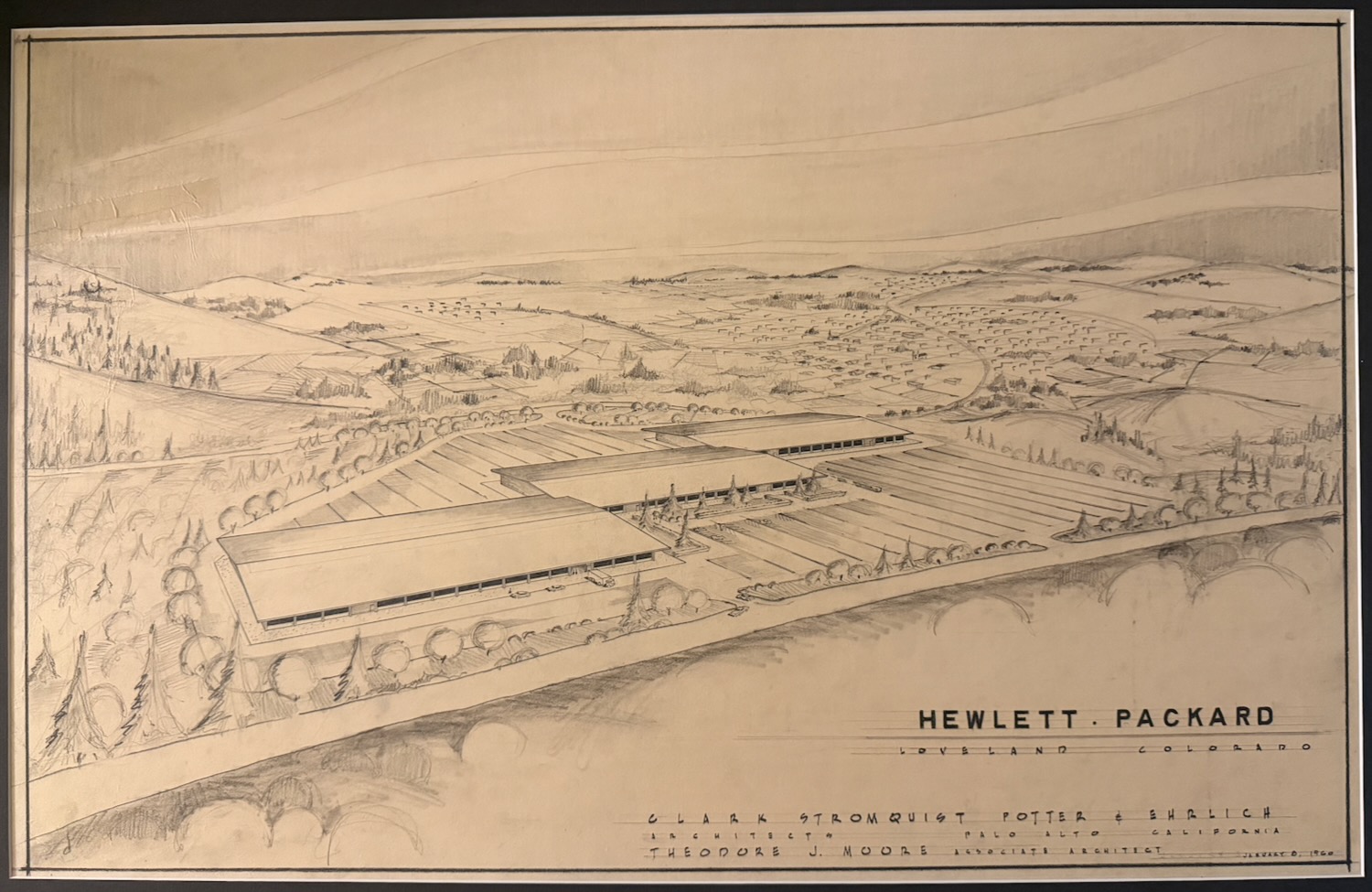
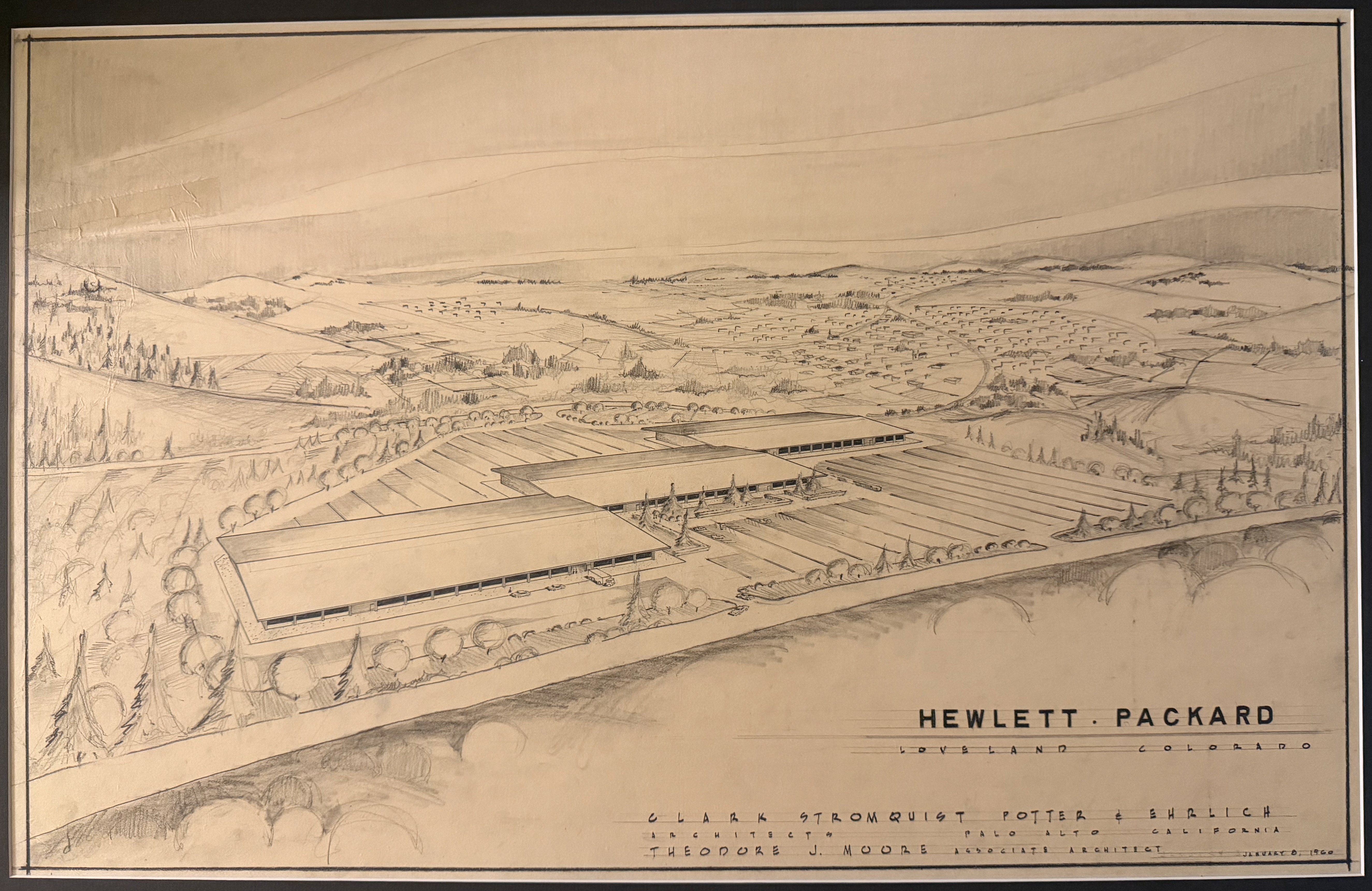
Last month, I acquired an interesting eBay find — an apparent early architectural render of HP’s Loveland, Colorado campus. In 1962, after two years of construction, HP opened the Loveland campus, the first US facility to be located outside the San Francisco Bay Area.
The History
Loveland was the home of the company’s calculator and PC businesses, and gave birth to early computers such as the HP 9100, 9830, 9825, and 9840. It was instrumental in the development of HP’s desktop computing business. HP was at one time the largest NMOS semiconductor production facility in the world.
Much has been written about HP’s Loveland campus, and I’d encourage you to review the following for more information:
- Ken Jessen’s memoir on the HP Memory Project
- The City of Loveland’s historic Hewlett-Packard property page
- The Loveland site history at hp9825.com
The Drawing
The drawing originally came into my possession via an eBay purchase. I wasn’t quite sure what I was looking at, but snagged it at a fair price and waited for it to ship. Once it arrived, I reached out to a few different sources for more information.
First, the seller: they had no background on its provenance, except that it had been found framed in a thrift store in Omaha.
Next, the Hewlett Packard Company Archive: they called it a “super interesting find”, though they had limited materials on the Loveland site.
Finally, the Loveland Museum: they called it a “wonderful find” and referred me to the architectural survey of the building, but did not have any further information.
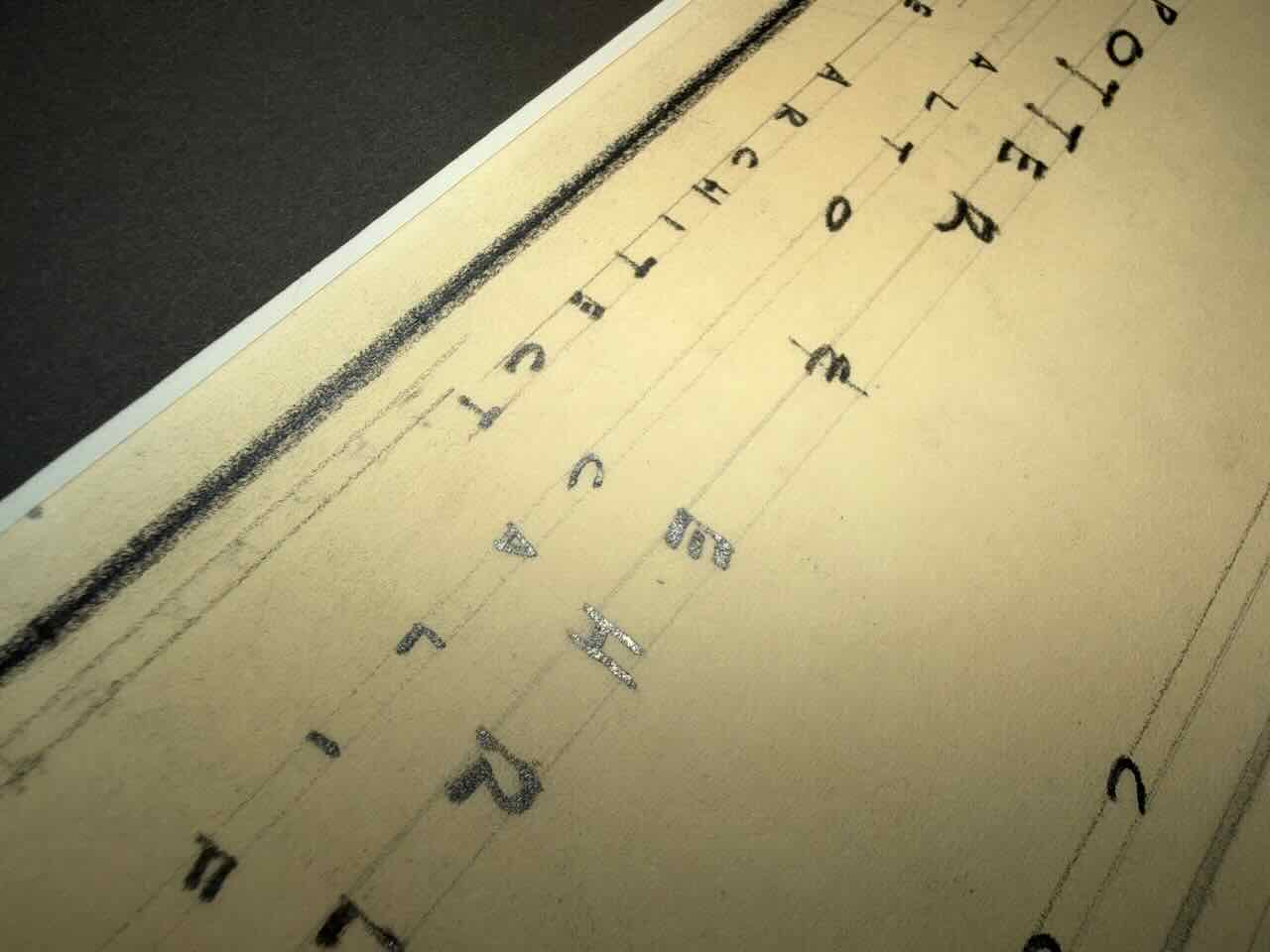
Speaking with a local engineering draftsman in San Francisco, we were able to determine the drawing was original pencil and accurate to the materials that would have been used around the 1960 date. It is consistent with a presentation rendering that would likely have been used in the early stages of the project, in materials shared both internally at HP and with the City of Loveland.
Interestingly, PCAD lists the following information: “This factory was designed by the Palo Alto-based architectural firm of Clark, Stromquist, Potter and Ehrlich in association with CO architect, Theodore J. Moore. A drawing of this manufacturing facility was dated 01/08/1960.” This matches the date shown in the right-hand corner of my drawing.
Seeking Information
If you have any more information on this rendering you can share, please reach out to me here.